AI vs. The Priesthood: Where We Draw the Line
As we launch The Depositum, it is critical to state exactly what this project is, and more importantly, what it is not.
When people hear the phrase "AI Catholic Podcast," two reactions usually follow: fascination or deep concern. The concern is valid. We live in an age where technology constantly tries to replace human connection. But in the realm of faith, there are boundaries—both in code and in theology—that we simply cannot cross.
The Algorithm Has No Soul (Teacher vs. Witness)
Let’s state the theological reality upfront: Artificial Intelligence is a mirror of human knowledge. It is an algorithm, a highly advanced synthesis engine. It does not have a soul. It cannot pray for you. It cannot replace your pastor, it cannot offer authentic individualized spiritual direction, and it certainly cannot administer the Sacraments. A machine cannot absolve you of your sins, and a server cannot consecrate the Eucharist.
To put it bluntly: an AI is like an agnostic Bible scholar. It can perfectly synthesize historical data, it can organize complex theology, and it can present it with pristine audio quality, but it has no personal conviction. It can teach, but it cannot witness.
In his document Evangelii Nuntiandi, Pope Paul VI wrote a profound truth: "Modern man listens more willingly to witnesses than to teachers, and if he does listen to teachers, it is because they are witnesses." An algorithm cannot provide that radical, lived testimony. If a piece of technology ever attempts to stand in the place of a human witness or a priest, it has crossed into spiritual danger.
Authenticity and the Target Audience
We live in a world plagued by what many call the "globalization of superficiality." People, especially those searching for meaning, crave profound, authentic human connection.
Because an AI cannot provide that flesh-and-blood authenticity, The Depositum is not designed to be a substitute for human relationships or the primary engine of personal evangelization. If we tried to use an AI chatbot as a stand-in for real Christian fellowship, it would rightfully turn seekers off, feeling like just another layer of modern superficiality.
Instead, our goal is to provide a powerful tool for anyone seeking authentic depth. There is a growing demand to explore the historical roots of the Christian faith, but many simply do not have or make the time to decipher the Bible or Catechism. The Depositum exists to bridge that gap.
"Baptizing" the Tech
So, if AI cannot replace the priesthood or substitute for human witness, how should we engage with it? Our stance on this technology is "Open, but Restricted."
Throughout history, the Church has a rich tradition of "baptizing" secular tools. The early Church took pagan philosophical language and used it to define the Trinity. They took secular Roman basilicas and turned them into cathedrals. Today, we can take a secular synthesis engine and re-orient it toward the Divine.
The Depositum is strictly a Study Aid. Think of it as a Digital Catechist that lives in your pocket.
We use this technology to do the heavy lifting of historical research. By synthesizing dense, public domain texts like the Douay-Rheims Bible, the Catechism of the Council of Trent, and the Haydock Commentary, the AI acts as a theological translator. It clears away the intellectual brush so that you can encounter the unchangeable Word of God clearly.
Pointing Back to the Physical Reality
Ultimately, The Depositum is a digital tool designed to point you away from the screen.
If our 5-minute audio deep dives become a substitute for attending Sunday Mass or participating in parish life, we have failed. But, if a short daily episode helps you understand the historical context of a Gospel reading, prepares your heart for the Eucharist, or equips you to bear real-world human witness to your neighbor, then the technology has served its rightful purpose.
Technology is the bridge. The physical reality of the Church is the destination.
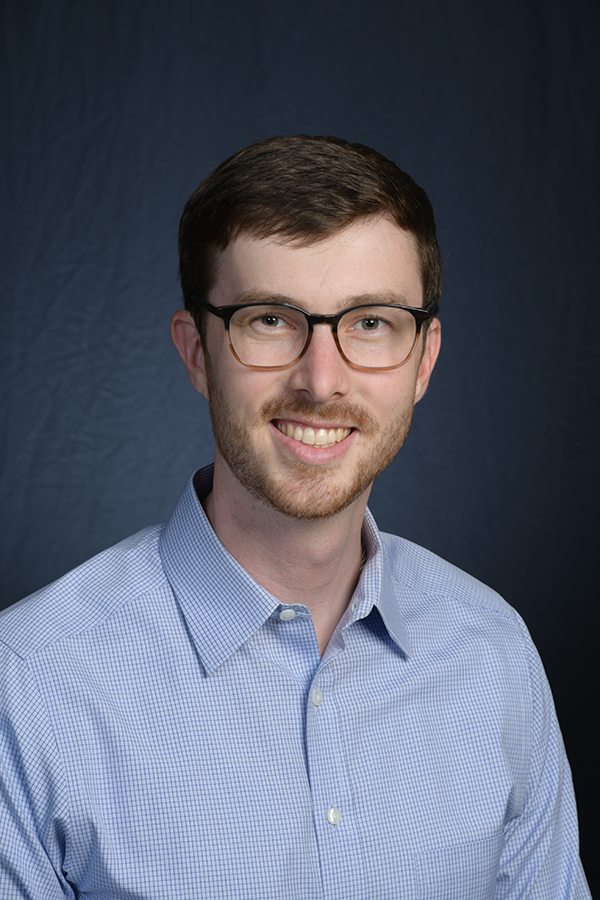
Produced and directed by Michael Link, a data analytics engineer, the Depositum uses artificial intelligence to explore the depths of Catholic theology. Michael selects the foundational texts and theological topics, while two AI-generated hosts synthesize the material into a reverent, 5-minute audio experience.


