Jesus is God: The Evidence in John 1
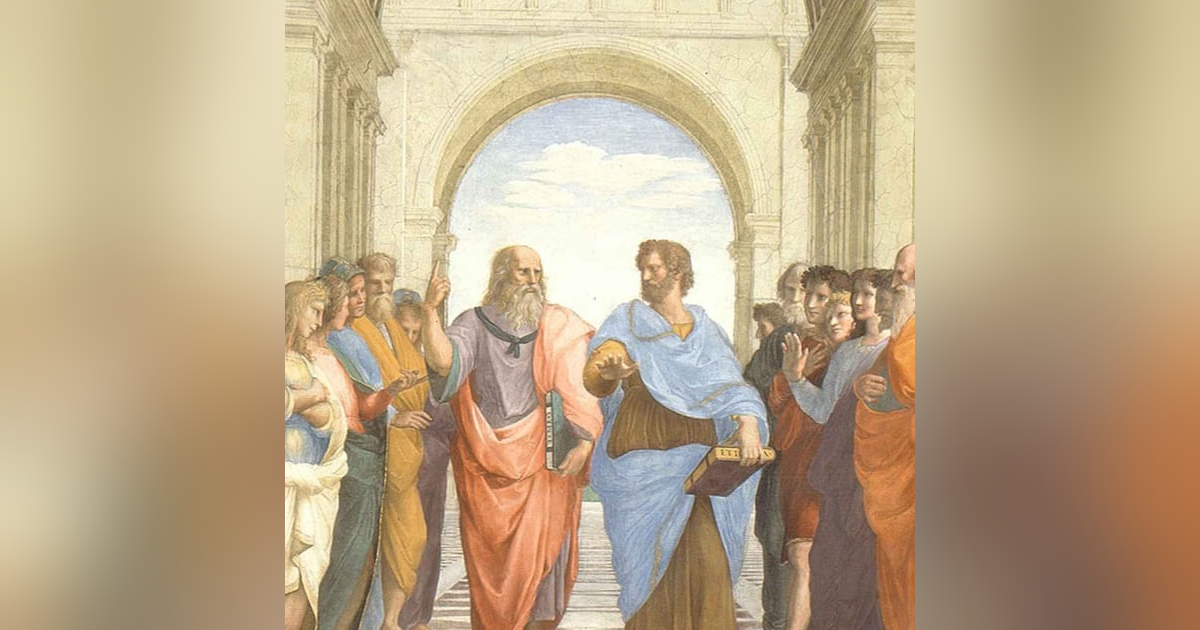
From the Divine Architect to the thirsty man at the well


The Divine Architect who spoke the universe into being also sat thirsty at a well. Explore the mic-drop introduction of John 1 and why the "Logos" willingly chose vulnerability to save you.
What You'll Learn:
- The Blueprint: Why the "Word" (Logos) is the Architect, not a created subordinate.
- The Tragedy: How the Creator came to His own world, and they failed to recognize Him.
- The Consubstantial Truth: Understanding the Council of Nicea’s defense of Christ’s full divinity.
- The Comfort: What God’s willingness to weep (Lazarus) and tire (Jacob’s Well) means for your own grief.
Timestamps (Chapters):
- (00:00) - Theological Mic Drop
- (01:13) - John 1:1-5: The Blueprint of Divinity
- (02:02) - John 1:6-13: The Tragedy of Being Unknown
- (03:22) - John 1:14: The Word Made Flesh
- (03:54) - The Dogma (Trent): Defining "Consubstantial" and the Two Natures
⚠️ Disclaimer: Voices are AI-generated. Content is checked and grounded in historic Catholic texts, but errors may occur. This is a study aid, not a substitute for your intellect or priest.
🎙️ About: The Depositum uses AI to explore the Deposit of Faith via the Douay-Rheims Bible, Council of Trent, and Haydock Commentary. We make dense theology accessible to help you come to know Jesus.
🎵 Music: "Miserere Mei, Deus" by Allegri (Ensamble Escénico Vocal). Source: Wikimedia Commons. License: CC BY 3.0.
🧠 Dive Deeper:
- Ask your own questions in our public NotebookLM - https://notebooklm.google.com/notebook/be82a7bc-321c-4ebd-b98c-d7e2621b00d6
- Or explore the data in our GitHub - https://github.com/Data-Science-Link/the_depositum
Hosted on Acast. See acast.com/privacy for more information.
I'm Michael link and welcome to the depositum where we explore the depths of christian theology through ai
Please note the voices ahead are ai generated. We vet each episode but ask that you listen with both faith
and reason
Let's dive in
Welcome back to the deep dive
So today we're cracking open the introduction to john's gospel and it's I mean
It's a total mic drop really john doesn't start with a stable or a manger
He just catapults us straight back before time itself
He introduces the logos the word
and it's important to think of the logos not just as a word, you know, but as
As the divine architect the cosmic mind that spoke the entire universe into being right and then a man's cosmic scale
Immediately sets up this yeah this profound tension that we have to grapple with exactly because this all-powerful architect
The agent of all creation willingly chose to become vulnerable
You see it so clearly later in john chapter four the same divine person is just sitting
Completely exhausted at jacob's well so worn out from his journey
He just says to a woman giving a drink the definition of power choosing limits
It's incredible. Okay. Let's unpack that blueprint of divinity first
Here is john chapter one verses one through five
In the beginning was the word and the word was with god and the word was god
The same was in the beginning with god all things were made by him
And without him was made nothing that was made
In him was life and the life was the light of men and the light shineth in darkness and the darkness did not comprehend it
And the word was god. There's just no ambiguity. Not at all
And what's so fascinating is how john establishes this right away. This text is crucial
It confirms he's not a subordinate not some kind of
You know super angel not a helper exactly. He is the proper
Principle and efficient cause the maker of everything yet the very world he made
The creation of this architect it completely failed to recognize its own source
It's a tragedy built right into the story listen now to john chapter one verses six through thirteen
There's a man sent from god whose name was john
This man came for a witness to give testimony of the light that all men might believe through him
He was not the light but was to give testimony of the light
That was the true light which enlighteneth every man that cometh into this world
He was in the world and the world was made by him and the world knew him not
He came into his own and his own received him not
But as many as received him he gave them power to be made the sons of god
To them that believe in his name who are born not of blood nor of the will of the flesh nor of the will of man
But of god
That verse verse 11 it just cuts deep doesn't it he came into his own and his own received him not
And you have to think about the sorrow in that yes the sorrow
It proves the word made flesh wasn't some kind of stoic detached god who was immune to pain
If you look ahead to john chapter 11 when lazarus dies you see
His reaction to human grief to his friends weeping right and seeing them the text says he
groaned in the spirit and troubled himself
And then simply and jesus wept his humanity was real
He felt the ache of being rejected by the world he made and this whole journey from the eternal god to this grieving man
It all culminates in one single seismic verse a verse that anchors all of christian theology
Listen very closely to john chapter 1 verse 14 and the word was made flesh and dwelt among us
And we saw his glory the glory as it were of the only begotten of the father full of grace and truth
And the word was made flesh. I mean that one sentence is the hinge of salvation history
It's the absolute foundation for the nicene creed it is the early church had to fight to defend this to assert that christ was
Begotten the father before all ages god from god the true god from the true god
They were insisting that the logos wasn't created. He was co-eternal and
Because people keep trying to sort of downgrade him to say he was just a superior creature a helper
The church had to get very precise and they use the technical term consubstantial
And it simply means that the son is of the exact same nature the same substance and power as the father absolutely equal
So the core takeaway here is that the man who was thirsty at the well
And the man who wept at his friend's grave
Is the very same person as the eternal god the logos who spoke the stars into existence
It's not two different people two natures one perfect person. It's the ultimate mystery really
That the divine architect who designed everything chose to actually enter the building our human nature in order to save it
So what does it mean for your daily weariness for your own grief that the eternal god willingly chose to experience them himself?


